Feature Film Adaptations
of novels by
Whitley Strieber
(in development) Director: TBD Producers: Michael Bay, Roberto Orci, Alex Kurtzman Release Date: 2010 (?) Strieber's story centers on an academic researcher who discovers that multiple versions of Earth co-exist in different dimensions, but all are threatened by an apocalypse to occur in 2012 prophesied by the ancient Mayans. By opening a portal into a parallel universe, he makes contact with his double to stop the prophecy from being fulfilled. Information presented above is sourced from an article by The Hollywood Reporter
|
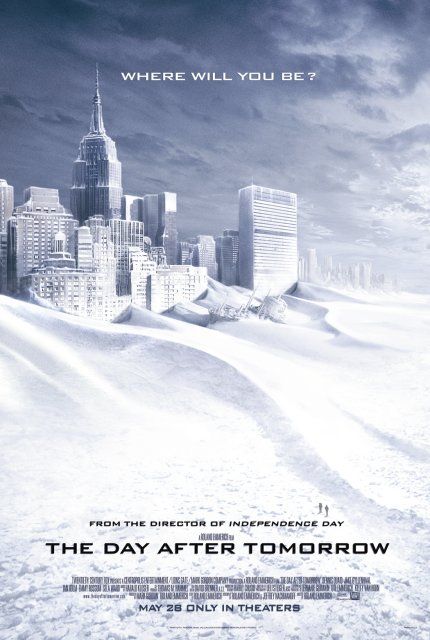
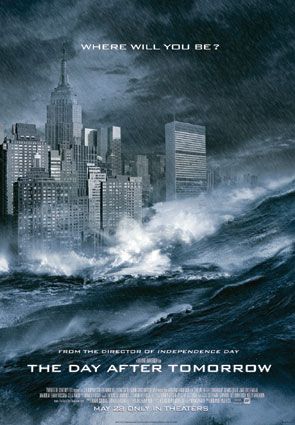
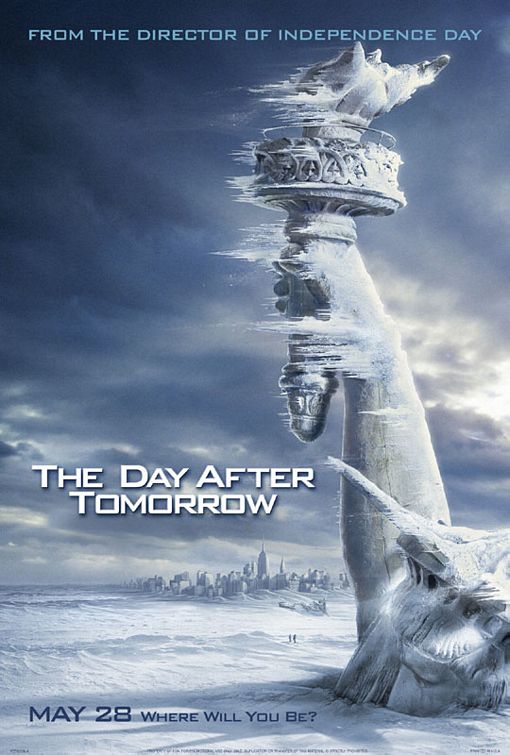
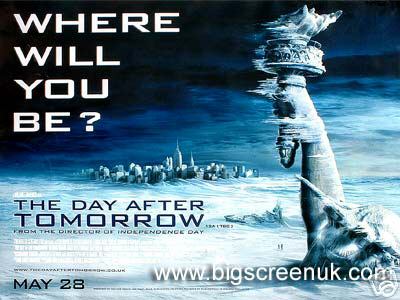
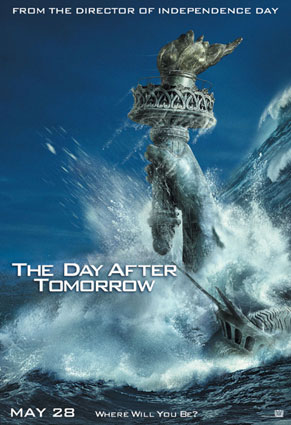
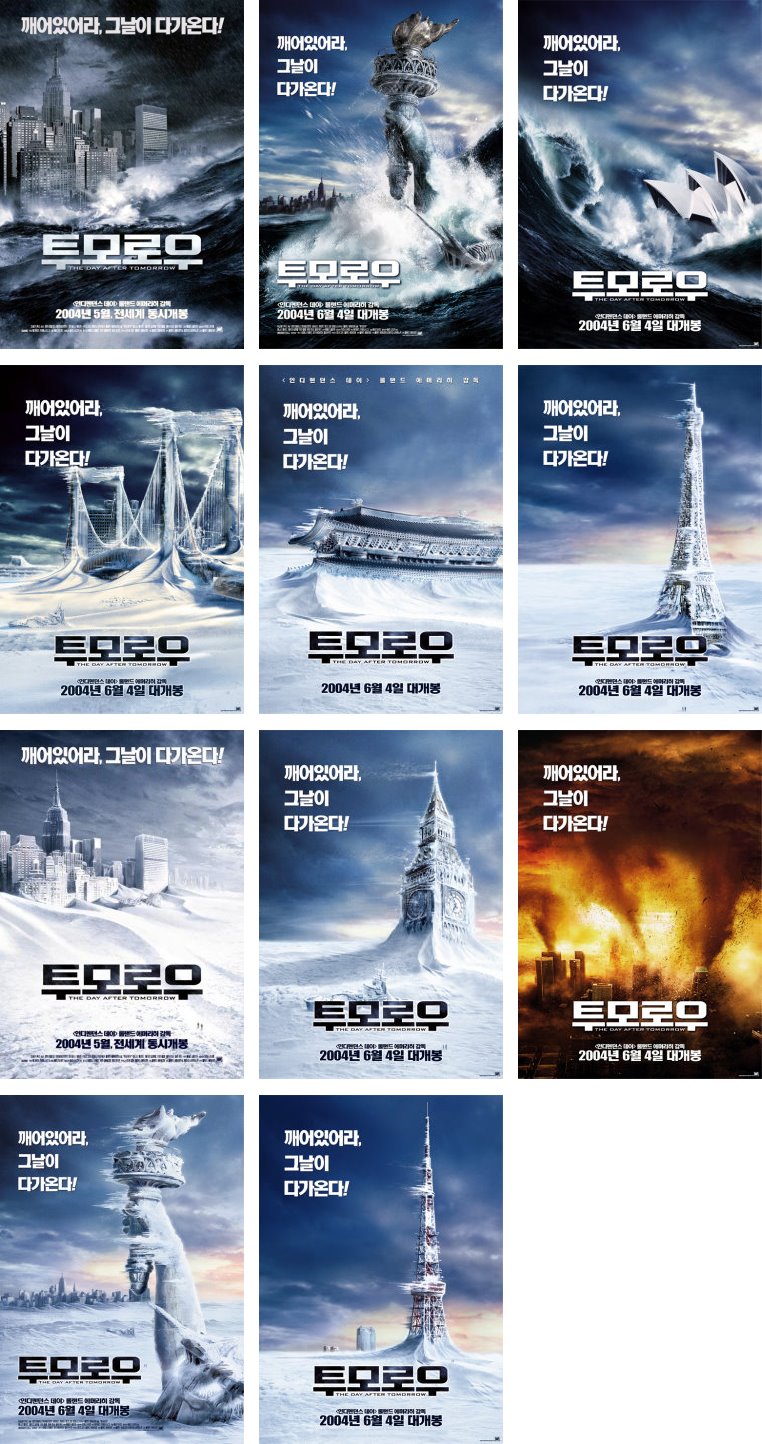
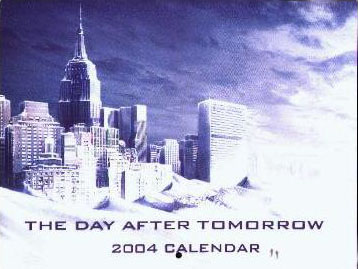
Sony Pictures (in development?) Director: Wolfgang Petersen Producers: Cary Brokaw and John Calley Writer: Ken Nolan Sony Pictures will pay screenwriter Ken Nolan (Black Hawk Down) $3 million for his 75-page "script-ment" (less than a script, but more than a treatment) of Whitley Strieber's as-yet-unpublished alien SF novel The Grays, one of the studio's largest payments for a treatment, Variety reported. It's not clear who'll star in The Grays, but insiders say the lead role is intended for a woman, the trade paper reported. Producing the pic are Avenue Pictures' Cary Brokaw and former Sony Pictures chairman John Calley - the duo behind Sony's recent adaptation of the Patrick Marber play Closer. Calley and Brokaw also recruited Nolan to adapt Robert Littell's The Company, a novel that's part roman a clef, part family history of the American intelligence community. Avenue head of production Aaron Geller will supervise the project's development for Brokaw's shingle. At the studio, exec VP Andrea Gianetti and senior VP Sam Dickerman will oversee development. An ex-advertising executive, Strieber began his career as a novelist with the horror titles The Hunger and Wolfen, both of which were turned into feature films. More recently, Strieber co-authored with Art Bell a book about doomsday climate change, The Coming Global Super Storm, which served as the inspiration for Fox's The Day After Tomorrow. Strieber also authored a novelization of that film. He first gained national notoriety for his 1987 book Communion, about his alleged abduction by aliens. The Grays, unlike Communion, is a fictional exploration of the effect aliens have on mankind. It will be published by the Tor/Forge imprint in August of 2006. Information presented above is sourced from articles by Variety's Claude Brodesser and from reports by SciFi Wire
|
|||
|
18 Apr 2006 UPDATE: The Grays on the Silver Screen 6 July 2006 UPDATE: The Grays November 2006 UPDATE: The Grays September 2007 UPDATE: The Grays |
||
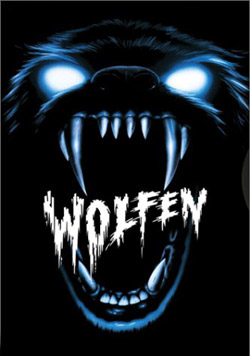
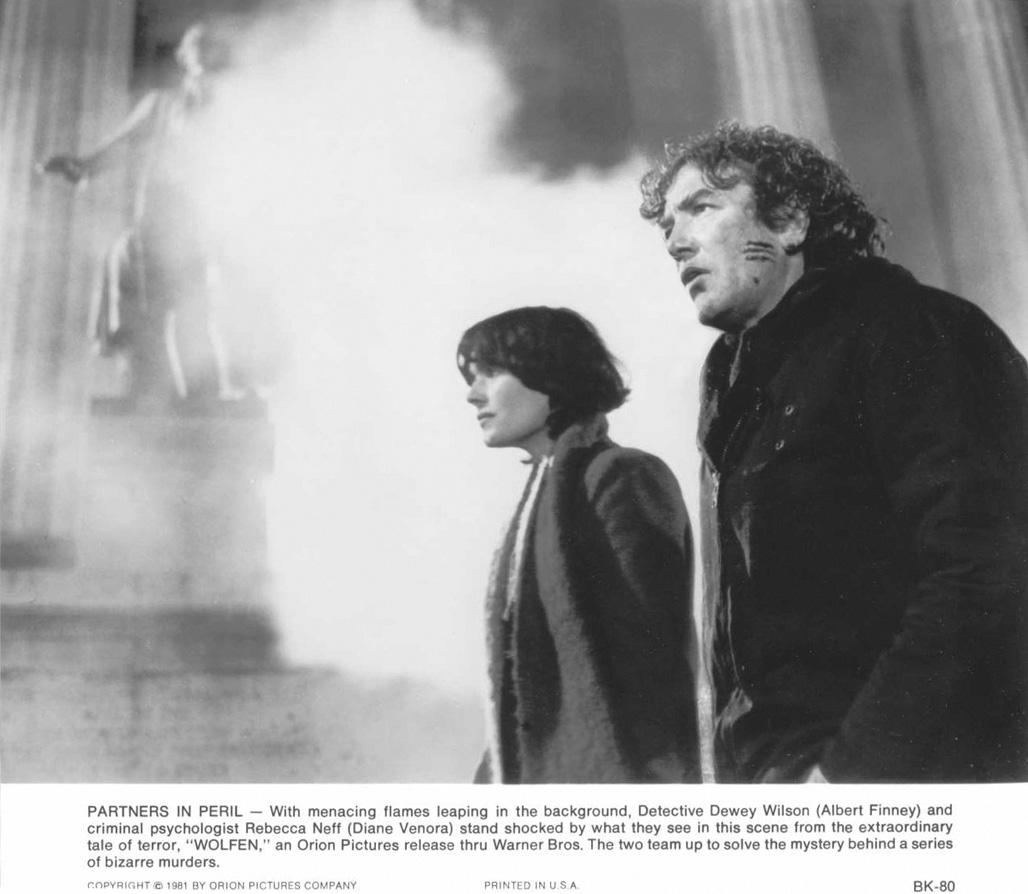
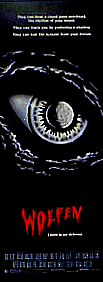
They can hear a cloud pass overhead, the rythm of your blood. They can track you by yesterday's shadow. They can tear the scream from your throat. |
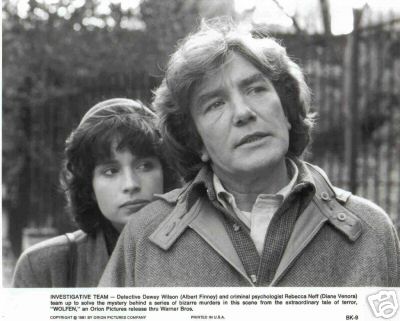
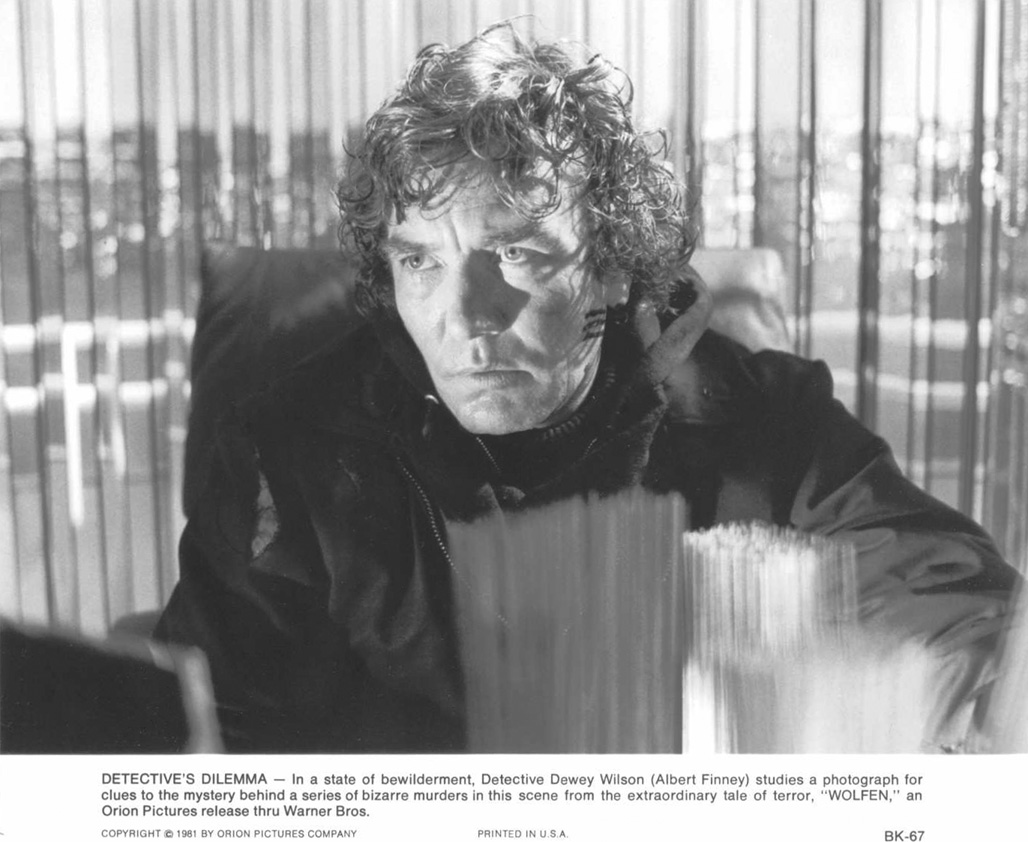
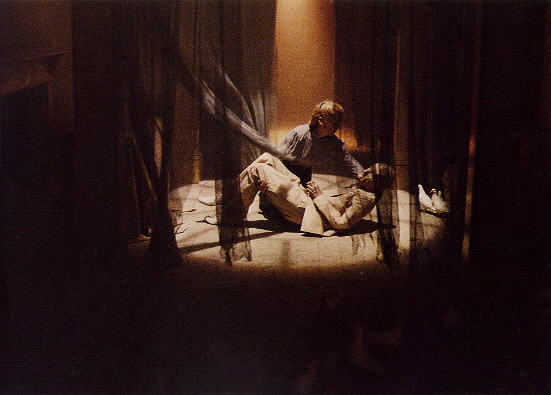
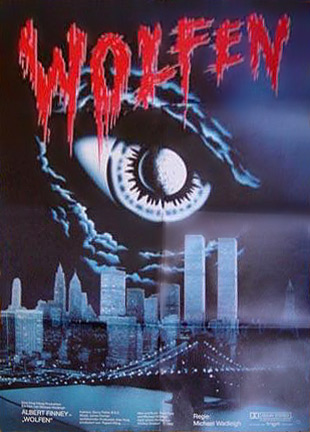
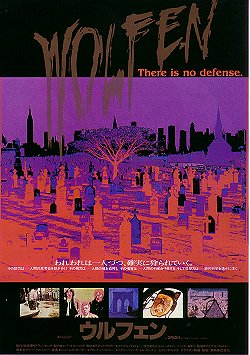
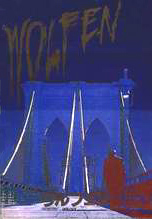
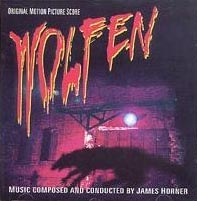
Wolfen
|
|
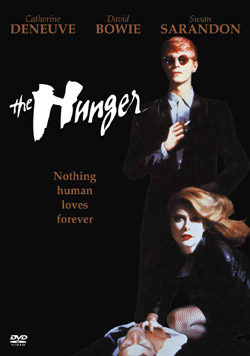
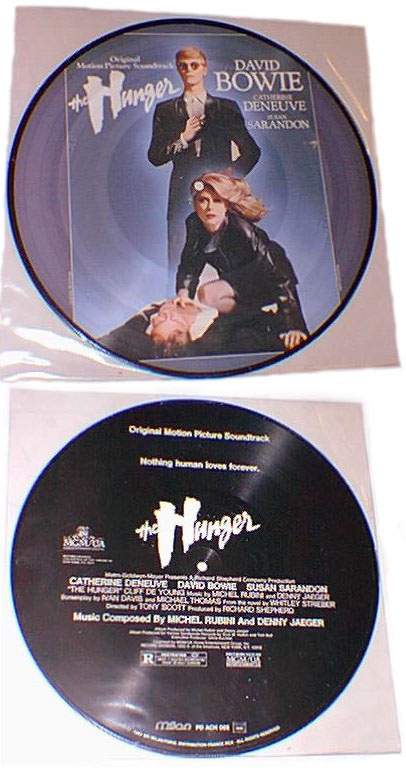
![]() Nothing Human Loves Forever
|
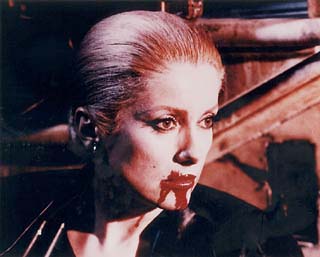
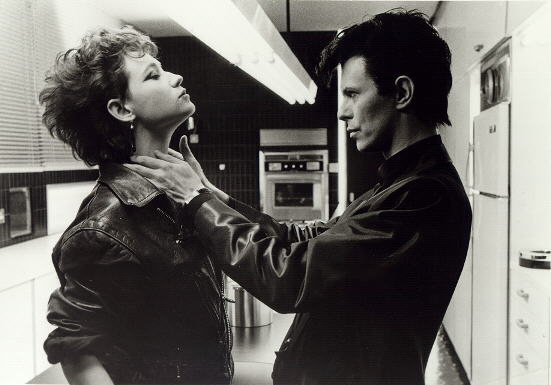
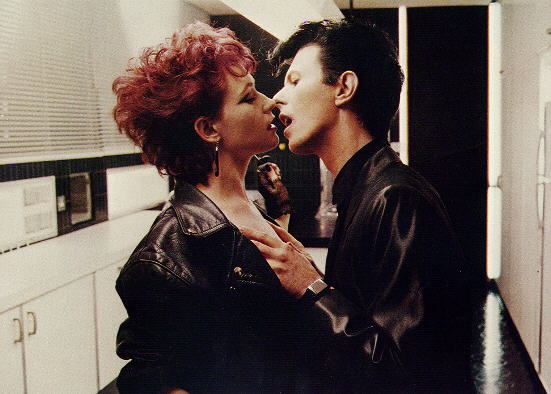
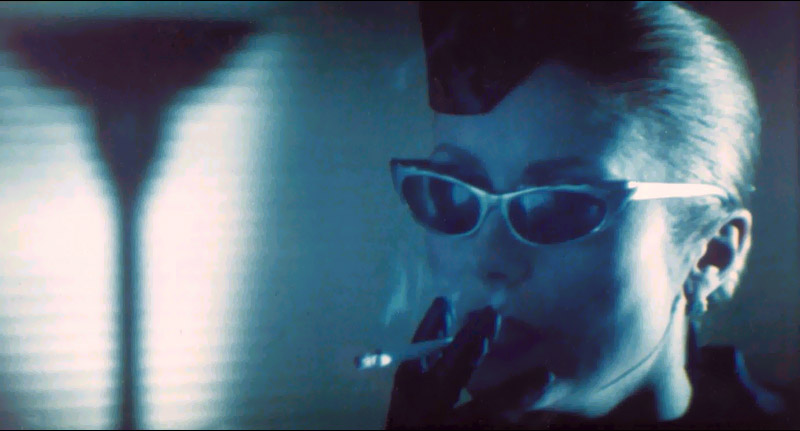
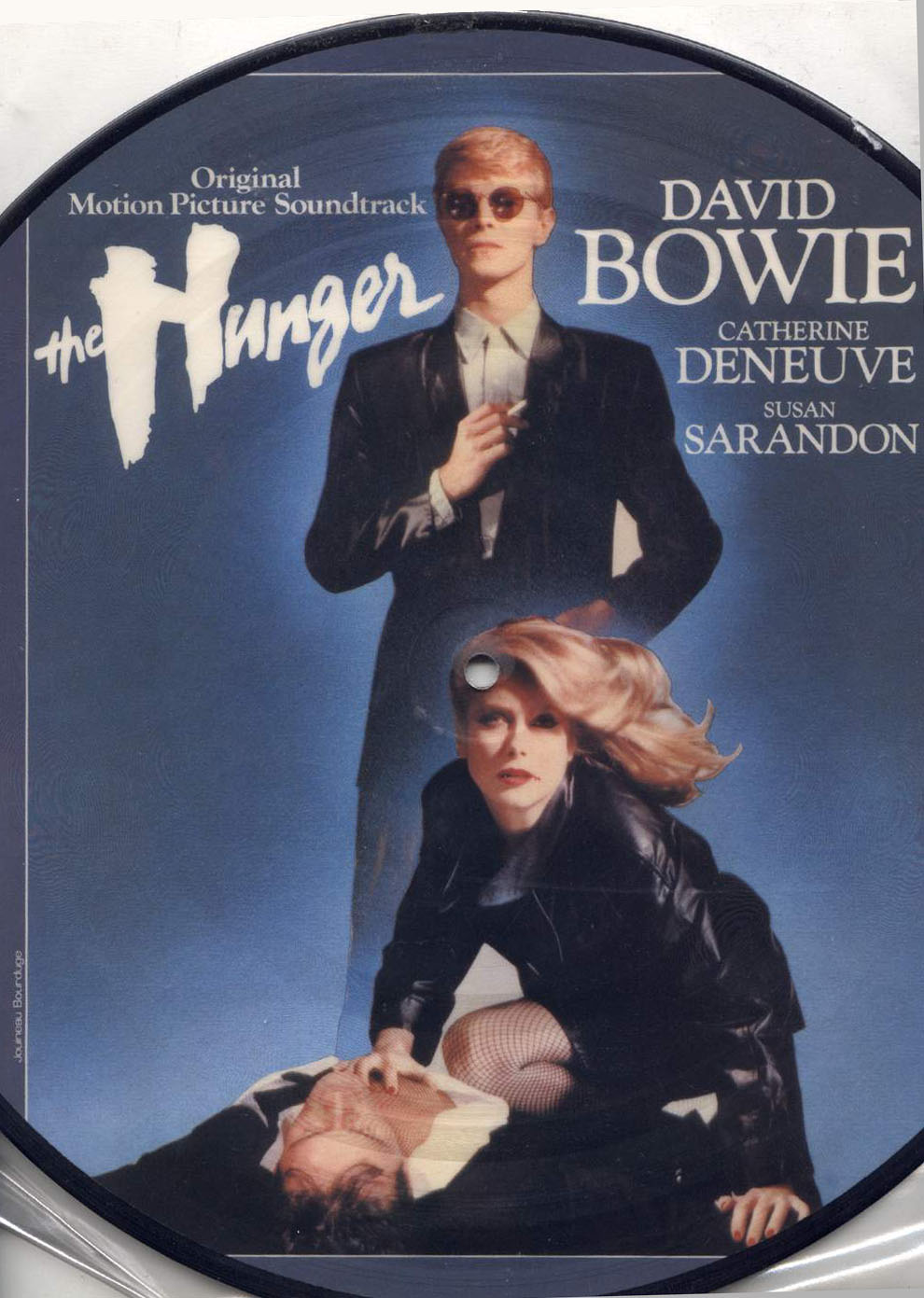
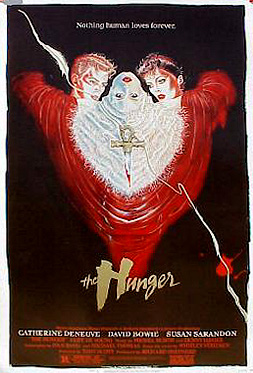
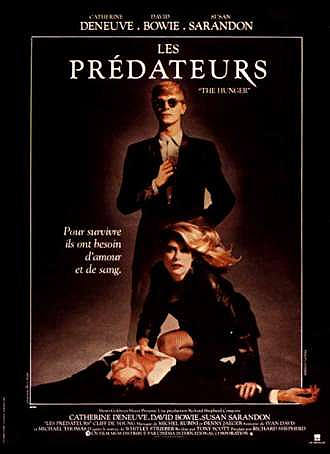
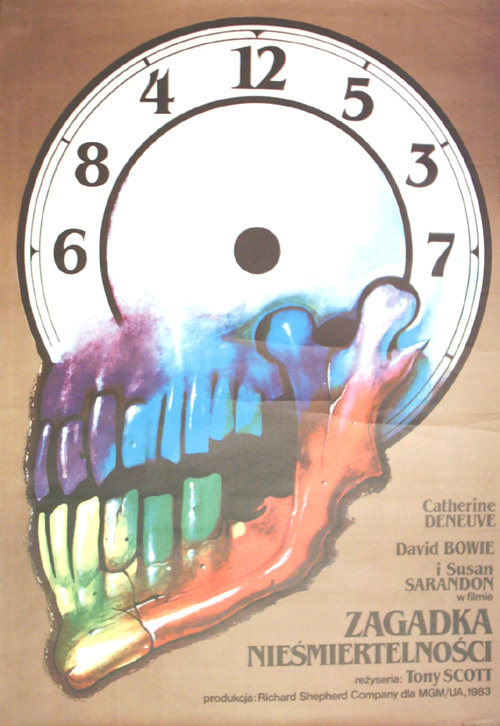
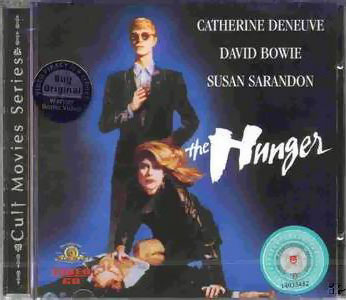
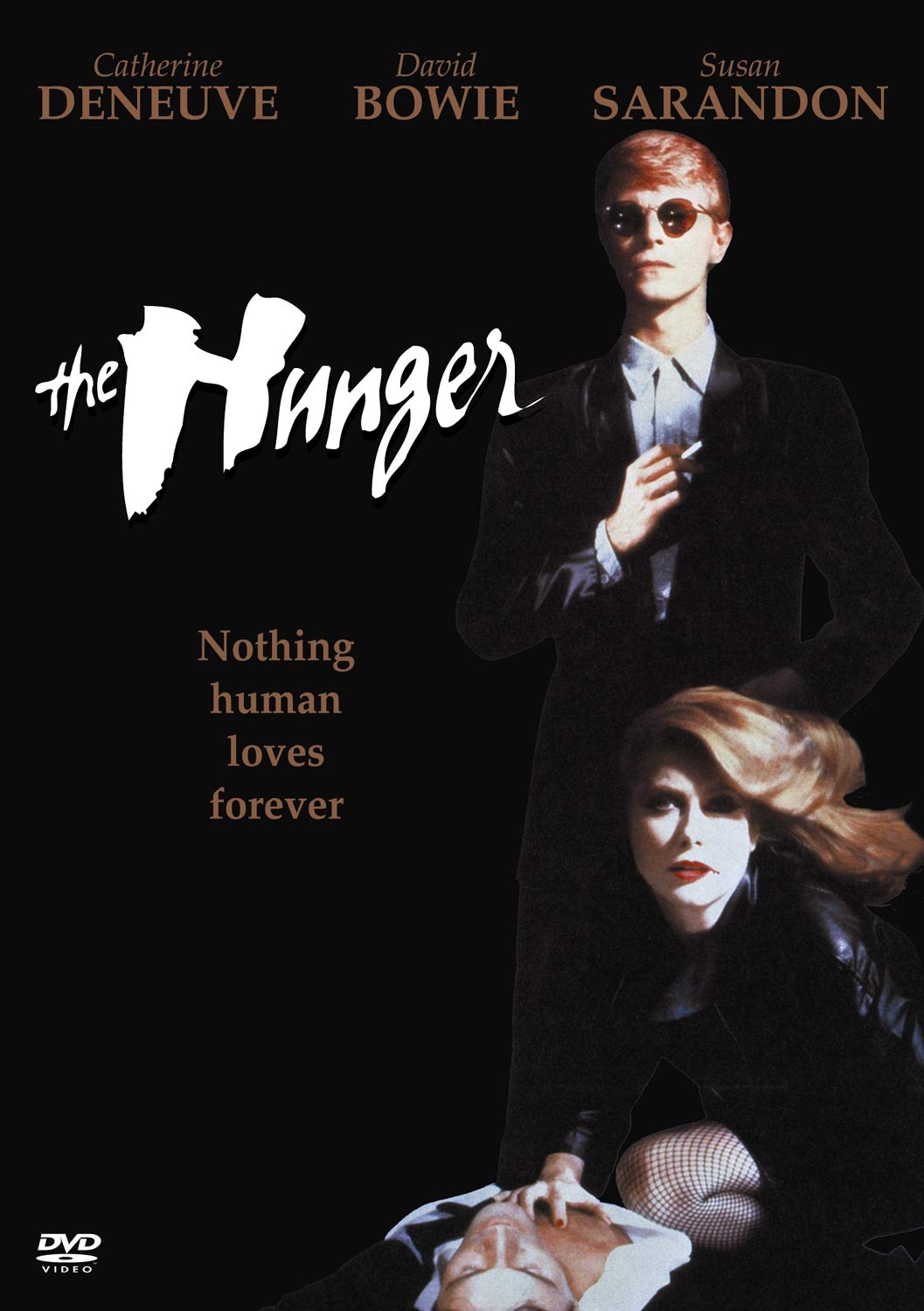
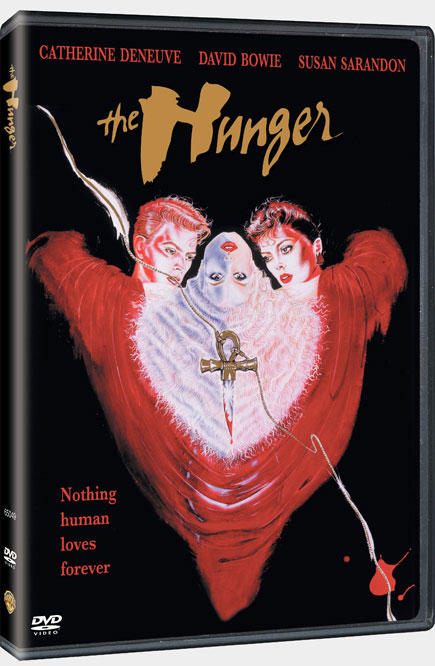
The Hunger
|
|||||||||||||||||||||||
|
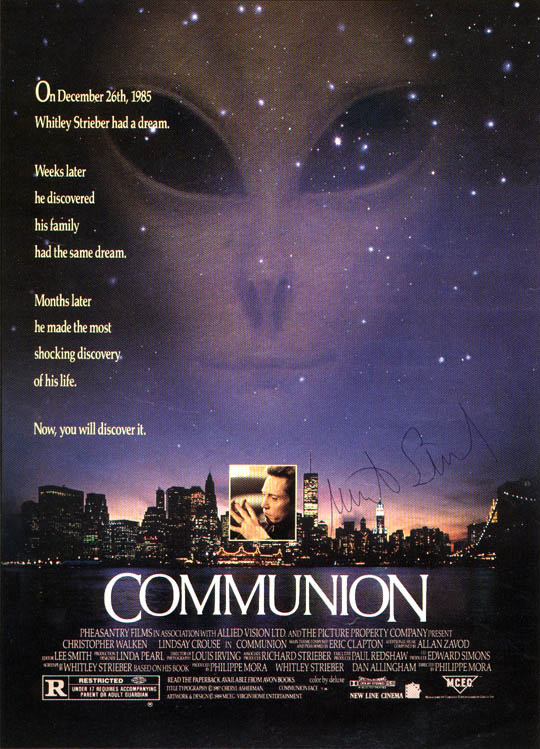
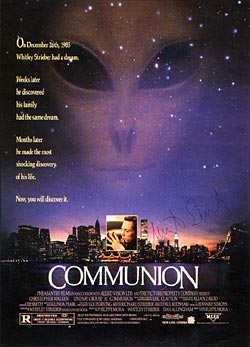
Communion
Screenplay information: Communion: Screenplay is 102
pages. Strieber's original screenplay accentuated the terror of the
experiences, whereas the director Mora encouraged Walken to accentuate
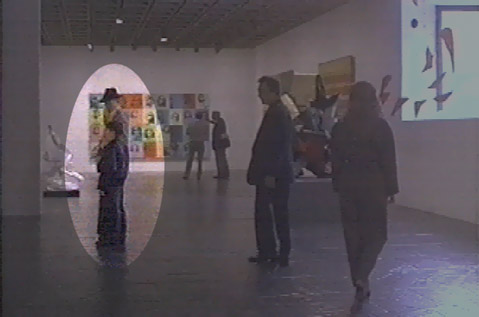
the humor in the outrageousness of the experiences. Trivia: Watch for the cameo appearance of the real Whitley Strieber and son in the Whitney museum scene. Trivia: The text of the book that Whitley (Walken) is attempting to write on his glitch-prone computer is actually a description of films which have featured Perrier water product placements. In a later scene, Anne (Crouse) drinks a lemon Perrier. Trivia: The Sci-Fi Channel announced in April 1999 that they would create a made-for-tv sequel, Beyond Communion, offering another opportunity to re-envision the events of Communion. But as of this writing, there have been no updates from the Sci-Fi Channel, suggesting their plans went astray.
|

||
|
Extra/Extended Scenes in the
|
|
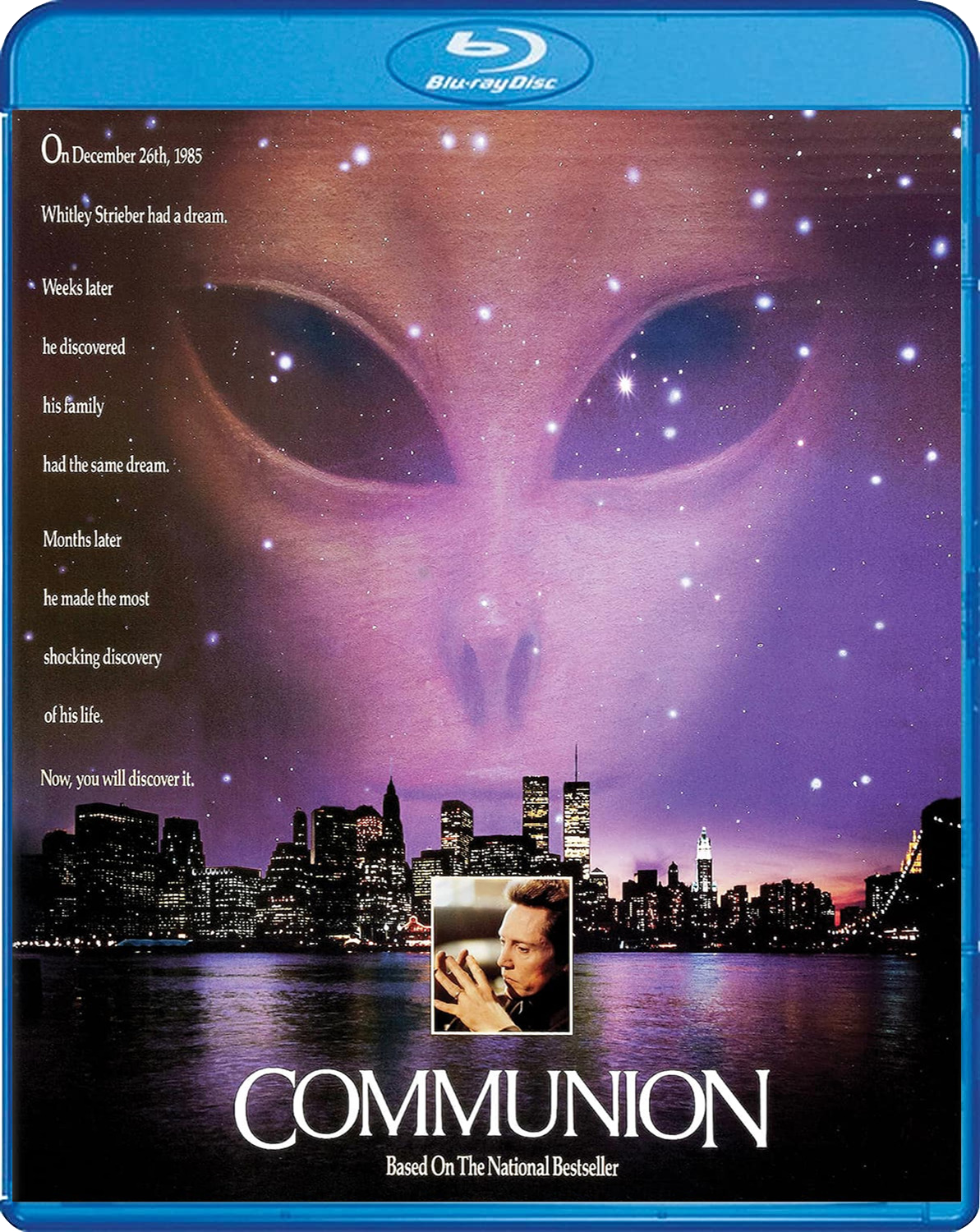
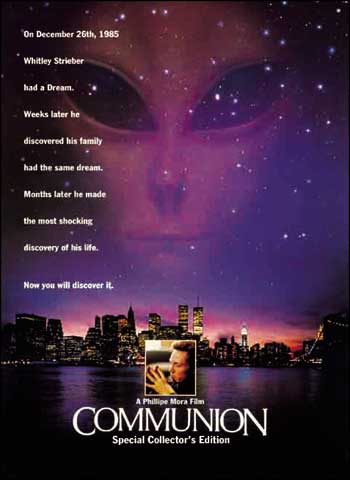
DVD (US/Canada) The Special Collector's Edition DVD released in the United States from Elite Entertainment in June 2000 was prepared in concert with the director. It presents the short U.S. theatrical cut of Communion, with an extensive selection of extras and remastered 5.1 sound. The film is presented in matted widescreen. NTSC format, Region 1. |
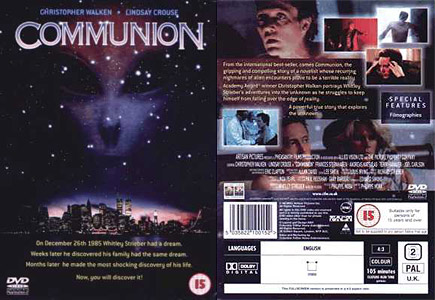
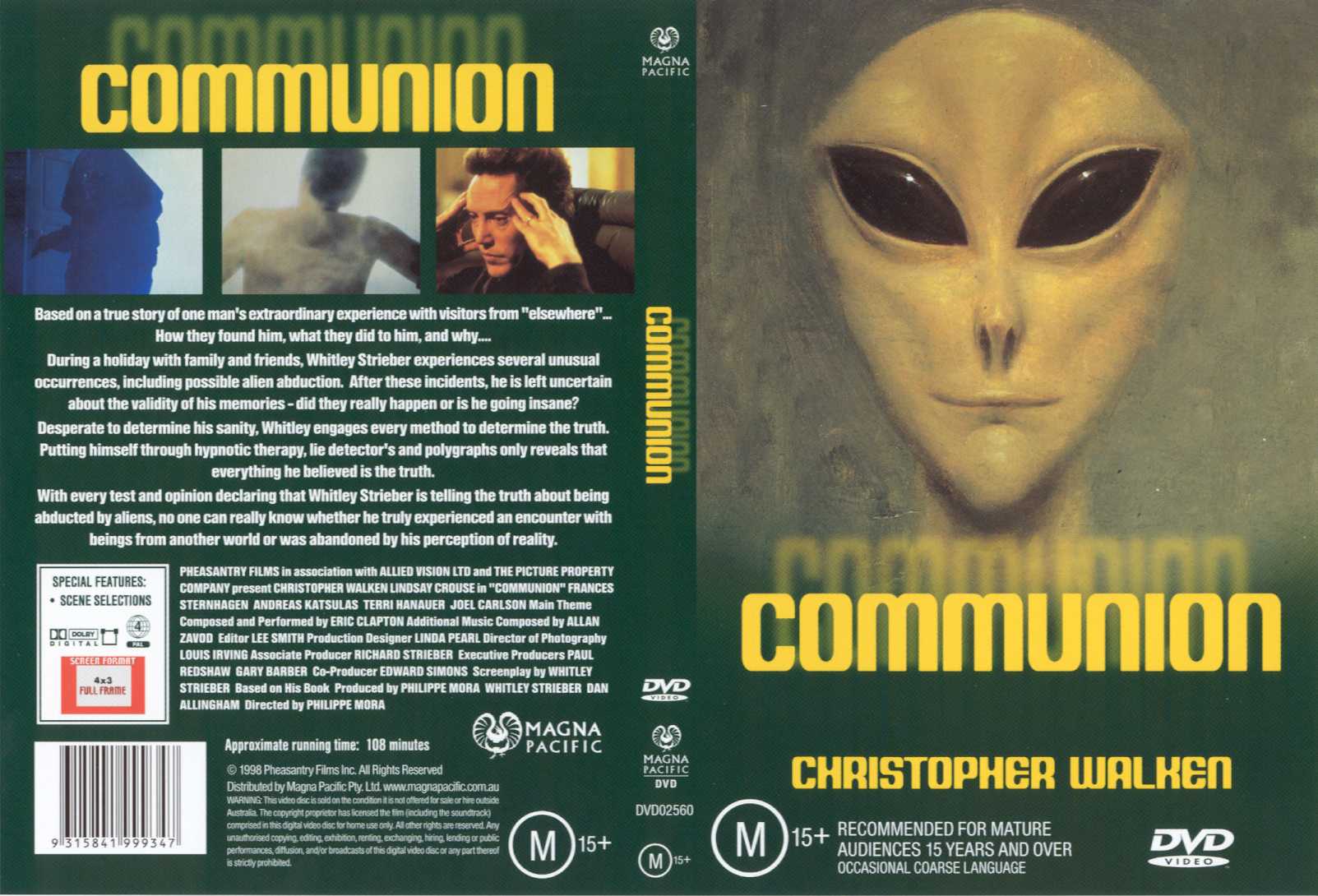
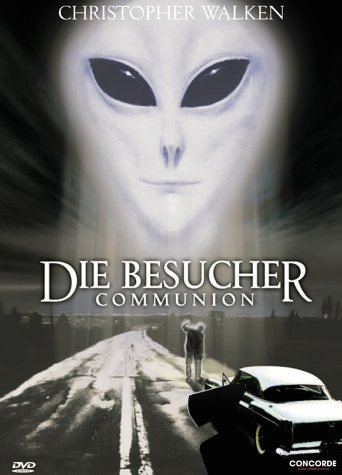
DVD (UK)![]() UK DVD cover
|
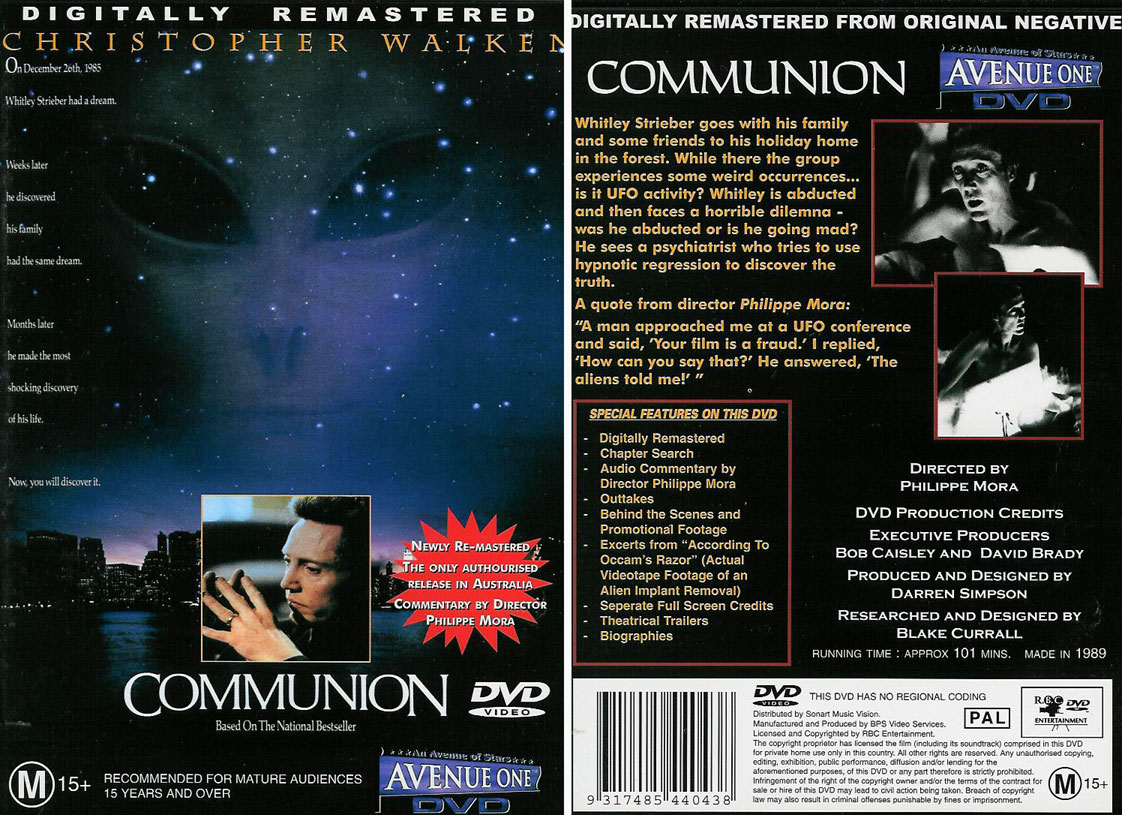
DVD (Australia)![]() Australia DVD cover: Authorized release |
|
| The UK DVD released in 2001 contains no extras, but it is the longer European version of the film with the New York skyline ending and the extra and extended scenes described above. It is presented unmatted. The director was not involved with the UK DVD release, but the visual quality of the transfer is reportedly very good. PAL format, Region 2, unmatted. | Above is the Special Edition, identical in every way to the Special Collector's Edition DVD released in the United States, except in PAL format and with slightly different packaging. A sticker on the front touts this version as the only authorized release in Australia and the packaging highlights that the film has been remastered. PAL format, Region 4, widescreen. An unconfirmed report has suggested that the commentary track is missing despite being listed on the package. |
Alternately, Australians can buy the longer European version of the film with the New York skyline ending and the extra and extended scenes described above. It is presented unmatted. The director was not involved with this DVD release and it is considered to be an unauthorized release. PAL format, Region 4, unmatted. |
|
|
|
|
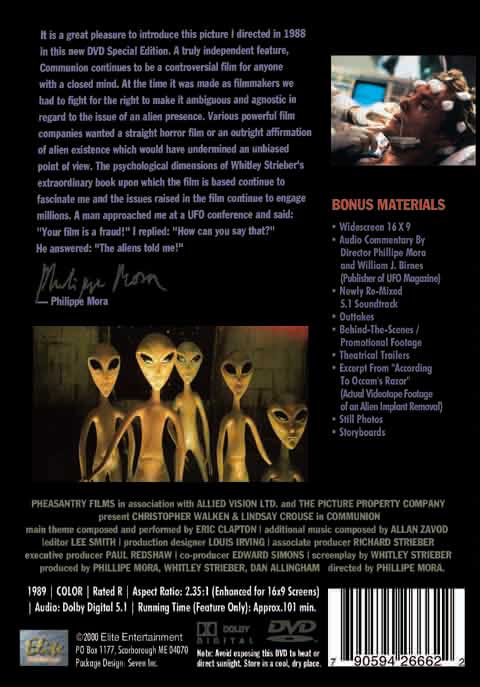
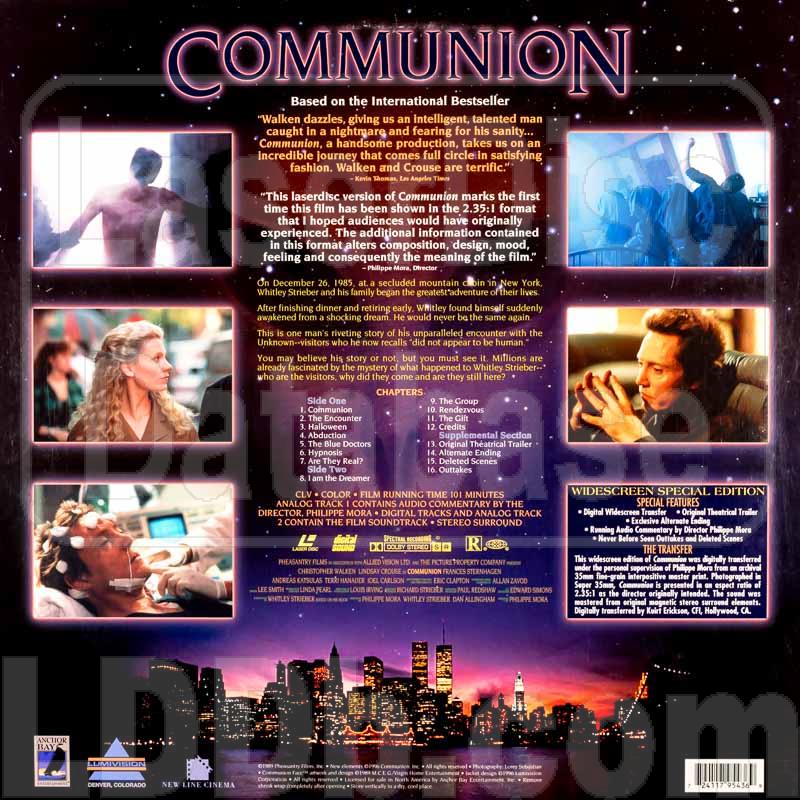
Widescreen Special Edition View back cover |
|
Laserdiscs were a format the existed before the invention
of DVD. Laserdiscs were 12 inches in diameter, and had to be manually
flipped over from side to side. Both a standard edition laserdisc (released
in 1990 by Image Entertainment) and a widescreen special edition laserdisc
(released in 1996 by Lumivision, LVD9543) of Communion were available. The widescreen
special edition laserdisc presents some extras that have not been made
available anywhere else (including not on the DVD editions). Both of these laserdiscs presented the short version of Communion. The term special edition on the 1996 widescreen special edition laserdisc refers only to a selection of extras that play after the end of the film. Widescreen Special Edition Laserdisc: Extras
Among the extras on the
widescreen special edition laserdisc are a few seconds of the alternate
end-credits scene (described above in the FOX television description),
and the school-yard scene featuring young Andrew. These scenes are not
incorporated into the film; they are shown afterwards as supplementary
material. Widescreen Special Edition Laserdisc: Aspect Ratio
The cinematographer of Communion seems to have a different opinion than the director, as he endorsed the original theatrical 1.85:1 aspect ratio for a rare VHS Collector's Edition, described more fully in the next section. It is the position of this website that the 2.35:1 aspect ratio added later by the director is a revisionist attempt to make the film seem more cinematic. The liner notes of the laser disc includes this message from Mora, in which he attempts to explain why he changed the aspect ratio: The laserdisc version of Communion marks the first time this film has been shown in the 2.35:1 format that I hoped audiences would have originally experienced. The additional information contained in this format alters composition, design, mood, feeling, and consequently the meaning of the film. However a side by side comparison of different versions establishes that there is no additional information to be found on either side of the new frame, so any change in mood and feeling is based purely on what was deleted from the top and bottom rather than from any additional information. That Mora has taken this matting of the top and bottom well beyond the way the film was meant to be presented is evident by the now problematic composition of several scenes. Important parts of scenes including the ritualistic hand gestures made by the Blue Boys while they are bowing near the end of the film, and parts of the climactic magic show are lopped off, suggesting this film was never composed with 2.35:1 widescreen in mind. Widescreen Special Edition Laserdisc: Conclusion |
|
|
|
|
(April 1990) with theatrical cover art |
based on the 1996 laserdisc |
with different cover art |
|
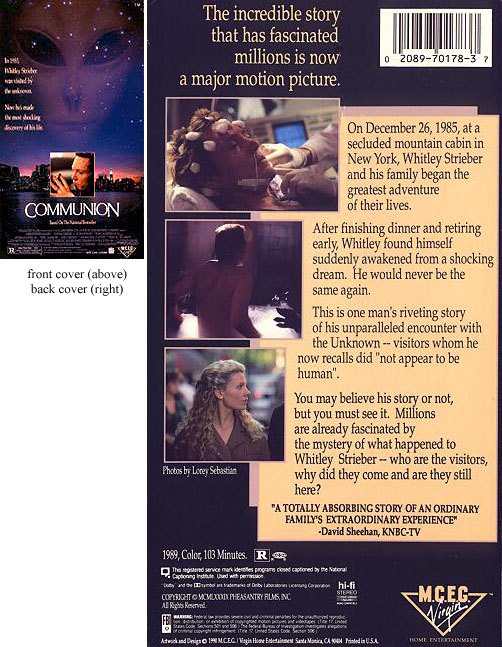
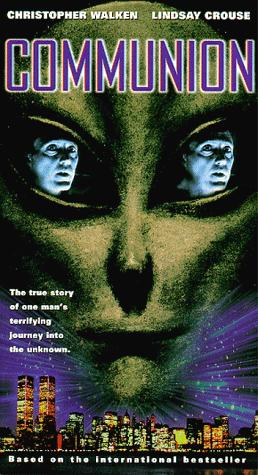
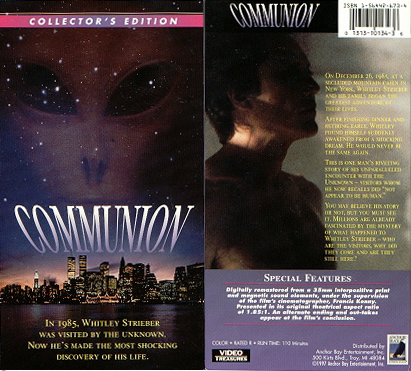
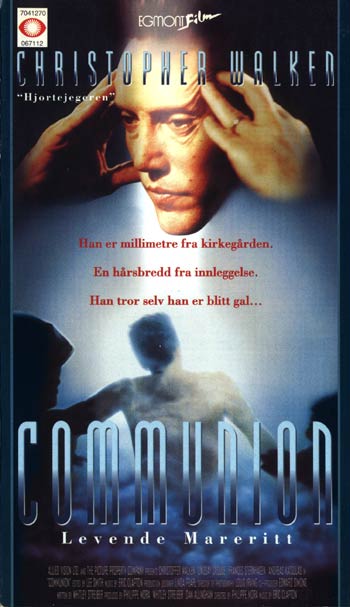
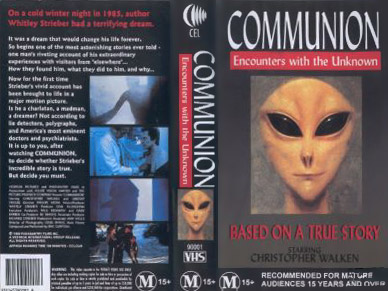
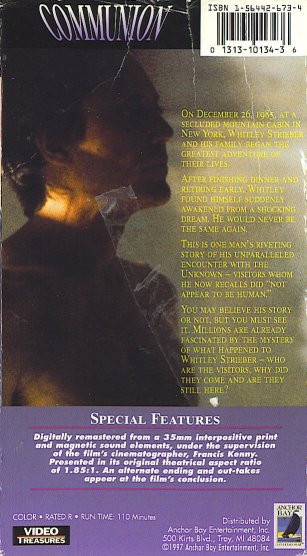
There have been three domestic VHS releases of Communion:
1) The theatrical version, 2) a Collector's Edition based
on the 1996 special edition laserdisc, 3) and a repackaged version of
the theatrical version in new box art. |
|
|
|